How to Improve Equipment Safety by Creating Clear Rules and Simple Training Materials

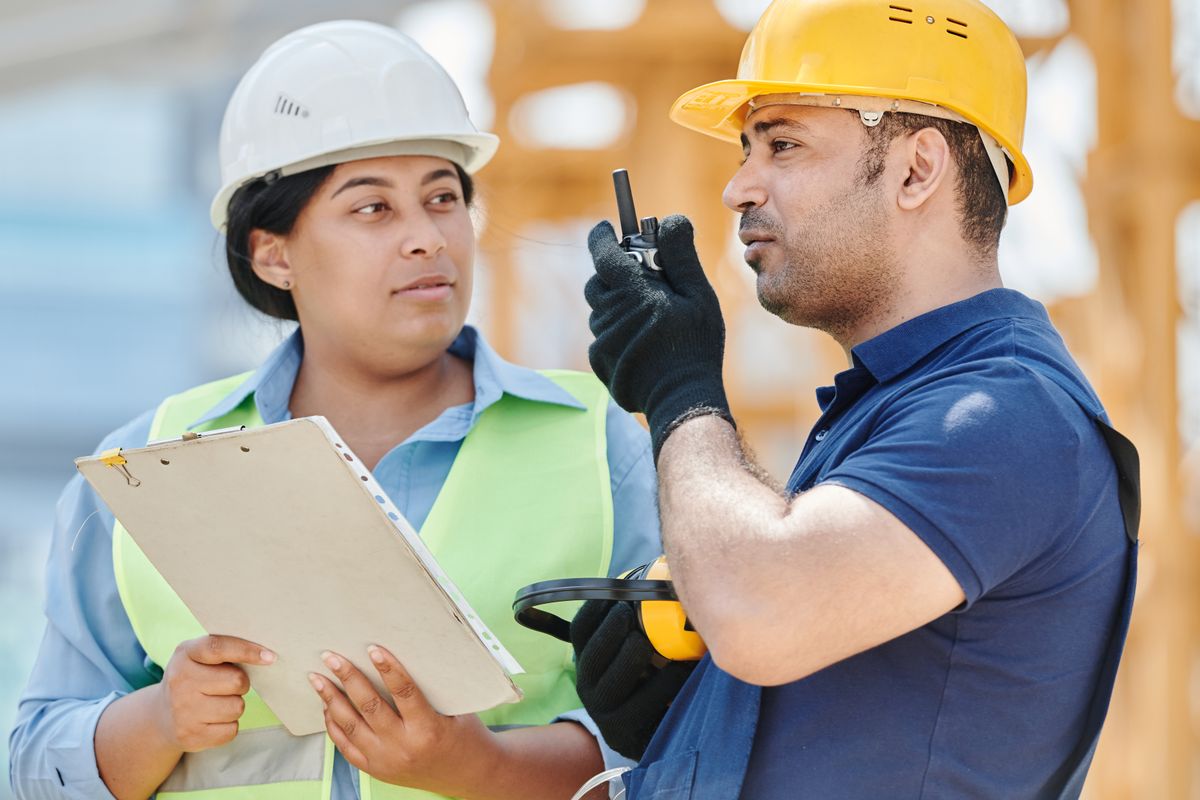
Equipment safety training in a workplace

How to Improve Equipment Safety by Creating Clear Rules and Simple Training Materials

Improving equipment safety does not always require expensive systems or long policy documents. In many workplaces, the biggest gains come from doing the basics well. Clear rules, simple training materials, and consistent communication can reduce confusion, lower the risk of accidents, and help workers use equipment more safely every day. Whether the workplace uses power tools, warehouse machines, kitchen equipment, construction tools, office devices, or industrial machinery, equipment safety improves when people know exactly what is expected and how to do the job properly.

Many equipment-related incidents happen for familiar reasons. A worker uses the wrong tool for the job. Someone skips a daily check. A machine is used without understanding its limits. A new staff member copies a bad habit from someone else. In many cases, the problem is not that people do not care. It is that the rules are unclear, the training is too complicated, or important information is hard to remember in a busy work environment. That is why simple safety systems often work best.

Start with clear and practical equipment safety rules

If you want to improve equipment safety, start by creating rules that people can actually follow. Safety rules should be easy to understand, specific to the equipment being used, and written in plain language. Long, overly formal instructions often get ignored. Workers need rules that tell them what to do, what not to do, and why it matters.

Good equipment safety rules usually cover a few core areas. These include who is allowed to use the equipment, how it should be checked before use, what protective gear is required, what safe operating steps must be followed, and what to do if the equipment is faulty. Rules should also explain that damaged or unsafe equipment must be taken out of use immediately and reported without delay.

The most effective safety rules are practical. For example, “Check cables, guards, and moving parts before use” is more useful than broad wording like “Use equipment responsibly.” The clearer the instruction, the easier it is to follow.

Keep training materials simple and easy to use

One of the best ways to improve equipment safety is to make training materials short, visual, and easy to revisit. Workers do not need a thick manual for every task. In many workplaces, a one-page guide, simple checklist, quick poster, or short demonstration is far more effective.

Simple training materials help people remember the most important points. They also make it easier to train new staff quickly and refresh experienced workers without wasting time. A good training sheet might show the equipment name, main hazards, required protective equipment, pre-use checks, safe operating steps, and what to do if something goes wrong.

Pictures and diagrams are especially helpful. A visual guide showing the correct setup of a machine or the right lifting position for a tool can often explain more than a long paragraph. Clear labels on equipment can also reinforce training. A small sign that shows load limits, shut-off steps, or daily check points can prevent mistakes in the moment.

Match the training to the real equipment and workplace

Training should reflect the actual equipment people use, not just general safety advice. A worker in a warehouse needs different guidance from a worker in a catering kitchen or on a building site. The more closely the training matches the real job, the more useful it becomes.

This means using examples from the workplace itself. If a certain machine has repeated issues, the training should mention them. If a particular bad habit keeps appearing, address it directly. Practical training is usually more effective than generic advice because workers can see how it applies to their own tasks.

It also helps to train people where the equipment is used. A short walk-through beside the actual machine, tool, or workstation often makes the message clearer than classroom-style instruction alone. People remember better when they can see the equipment, touch the controls, and ask questions in the real setting.

Focus on repeat reminders, not one-time training

A single training session is rarely enough to improve equipment safety for the long term. People forget. Staff change. Bad habits creep in over time. That is why simple refreshers matter.

Short reminders can be very effective. These might include five-minute toolbox talks, noticeboard updates, printed checklists, quick supervisor conversations, or monthly refreshers on common mistakes. The goal is not to overwhelm people. It is to keep safety visible and easy to recall during daily work.

Repetition helps turn rules into habits. When workers hear the same clear messages regularly, they are more likely to follow them without needing constant correction.

Make reporting problems easy

Equipment safety improves when workers can report issues quickly and without hesitation. If someone notices a strange noise, loose guard, damaged cable, worn tyre, or missing safety feature, they should know exactly how to report it and who to tell. The process should be simple.

If reporting faults feels slow, unclear, or annoying, people may stay quiet and keep working. That is when small problems become injuries or major breakdowns. Simple training materials should include a clear step for fault reporting. Even a basic message like “Stop using the equipment, label it unsafe, and tell your supervisor immediately” can make a big difference.

A good safety culture also avoids blaming workers for raising concerns. Reporting a fault should be treated as responsible behavior, not as causing trouble.

Help supervisors lead by example

Rules and training materials work much better when supervisors follow them too. If managers ignore checks, rush procedures, or allow shortcuts, workers will notice. On the other hand, when supervisors use equipment properly, correct unsafe behavior early, and refer to the same simple rules as everyone else, safety becomes more consistent.

Leadership does not need to be dramatic. Often, it is shown in small daily actions. Asking whether checks were completed, making sure faulty equipment is removed from use, and using the training materials during discussions all help build stronger habits across the team.

Review and improve what you already have

Improving equipment safety is not about writing more and more rules. It is about making the right rules clearer and easier to use. Review your current materials and ask simple questions. Are the instructions too long? Do workers understand them? Are the most common risks covered? Can a new employee follow the guide without confusion?

Sometimes the best improvement is removing unnecessary detail and replacing it with clearer steps.

Simple systems create safer workplaces

The best way to improve equipment safety by creating clear rules and simple training materials is to focus on clarity, consistency, and practical use. Workers need straightforward instructions, easy-to-read guides, regular reminders, and a clear process for reporting problems. When safety information is simple and relevant, people are far more likely to follow it.

In the end, equipment safety improves when the workplace makes safe behavior easy to understand and easy to repeat. That is what turns rules and training into real protection.

The Importance of Choosing Equipment That Meets Industry Standards and Safety Requirements

Industrial safety equipment and compliance inspection

The Importance of Choosing Equipment That Meets Industry Standards and Safety Requirements

Choosing equipment is never just about price, appearance, or convenience. In any workplace, the equipment you buy affects safety, performance, reliability, and compliance. Whether a business uses construction machinery, warehouse tools, kitchen appliances, laboratory devices, office systems, electrical equipment, or manufacturing machines, it is essential to choose products that meet industry standards and safety requirements.

This matters because equipment is only useful when it can do the job safely and consistently. If it does not meet the right standards, it can create risks for workers, customers, products, and the business itself. Poor equipment choices can lead to accidents, breakdowns, legal trouble, and unnecessary costs. On the other hand, equipment that meets recognized standards helps protect people, supports smoother operations, and gives a business more confidence in the tools it depends on every day.

What industry standards and safety requirements really mean

Industry standards and safety requirements are the rules, specifications, and performance expectations that equipment should meet before it is used in real working conditions. These standards are designed to make sure products are built, tested, and used in a way that reduces risk and supports reliable performance.

In simple terms, standards help answer important questions. Is the equipment strong enough for the job? Has it been tested properly? Does it include the right safety features? Is it suitable for the environment where it will be used? Can it be operated without creating unnecessary danger?

These requirements may vary by industry, but the purpose is always similar. They exist to protect people and help businesses avoid preventable problems.

Safer equipment helps prevent injuries

One of the biggest reasons to choose equipment that meets safety requirements is injury prevention. Equipment that falls below standard may have poor guards, weak components, unreliable controls, faulty wiring, or missing protective features. These problems can turn routine work into serious danger.

For example, a machine without proper guarding may expose workers to moving parts. Electrical equipment that does not meet safety standards may create shock or fire risks. A lifting device that has not been built to the correct standard may fail under load. Even small tools can cause harm if they are poorly made or not suited to the task.

Choosing compliant equipment reduces these risks. It does not remove the need for training or safe procedures, but it creates a stronger first line of protection. Safe equipment helps workers do their jobs with less risk and more confidence.

Standards support better reliability and performance

Equipment that meets industry standards is not only safer. It is often more reliable as well. That matters because unreliable equipment slows work down, increases maintenance needs, and causes unnecessary downtime.

A business may be tempted by a cheaper product that looks similar to a higher-quality option, but if it does not meet the same standard, performance may suffer. Weak materials, poor assembly, and low-grade parts often lead to faster wear and more frequent breakdowns. Over time, that creates repair costs, disruption, and frustration.

Reliable equipment supports daily operations. It performs more consistently, handles expected workloads better, and gives businesses a stronger return on what they spend. In many cases, choosing equipment that meets the right standard is also the smarter financial choice.

Compliance protects the business as well as the worker

Safety is the most obvious reason standards matter, but compliance also protects the business itself. Companies that use equipment that fails to meet required standards may face legal, regulatory, and insurance problems if something goes wrong. An accident involving non-compliant equipment can lead to claims, fines, investigations, or serious reputational damage.

This is especially important in industries where equipment plays a direct role in safety, hygiene, measurement, transport, lifting, or production quality. If a business cannot show that it selected appropriate equipment, it may struggle to defend its decisions later.

Choosing equipment that meets industry standards helps show due care. It demonstrates that the business took reasonable steps to buy tools and systems that were suitable, compliant, and safe to use.

The right equipment improves trust and professionalism

Customers, clients, inspectors, and staff all notice when a business takes standards seriously. Using compliant equipment shows professionalism. It suggests that the company values safety, quality, and proper working practices.

This can make a difference in many ways. Employees are more likely to feel secure using equipment they trust. Customers may feel more confident dealing with a business that operates to a professional standard. In regulated industries, proper equipment can also make audits, inspections, and quality checks much smoother.

In other words, choosing the right equipment is not just a technical decision. It also affects reputation and trust.

Cheap equipment can become expensive equipment

One of the most common mistakes in equipment buying is focusing too heavily on upfront price. A lower-cost product may seem like a savings at first, but if it fails standards or performs poorly, the long-term cost can be much higher.

The business may end up paying for repairs, replacement parts, lost work time, damaged stock, or injury-related issues. It may also need to replace the equipment much sooner than expected. What looked like a bargain becomes an expensive lesson.

That is why value matters more than price alone. Equipment that meets safety requirements and industry standards usually offers better long-term performance and fewer unpleasant surprises.

Standards matter in every type of workplace

Some people associate standards mainly with heavy industry or construction, but they matter in every workplace. Office equipment should still be electrically safe and fit for daily use. Kitchen equipment must meet hygiene and operational safety expectations. Warehouse systems must support safe handling and storage. Medical and laboratory equipment must meet strict reliability and testing standards. Even basic tools should be suitable for the task and built to a safe standard.

The principle is the same everywhere. Equipment should match the demands of the job and protect the people using it.

Buying better starts with asking better questions

Before buying equipment, businesses should ask a few practical questions. Does this product meet the standards required for our industry? Is it suitable for the environment where it will be used? Does it have the necessary safety features? Can the supplier provide proper documentation, support, and service information? Is the product built for real working conditions, or just priced to look attractive?

Those questions help shift the focus from quick buying decisions to smarter long-term choices.

Good standards lead to better outcomes

The importance of choosing equipment that meets industry standards and safety requirements cannot be overstated. It helps reduce injuries, improve reliability, protect compliance, and support a more professional operation. It also helps businesses avoid the hidden costs that come from poor-quality or unsafe equipment.

In the end, good equipment choices do more than help people work. They help people work safely, confidently, and with fewer problems. That is why standards should matter before any buying decision is made.